

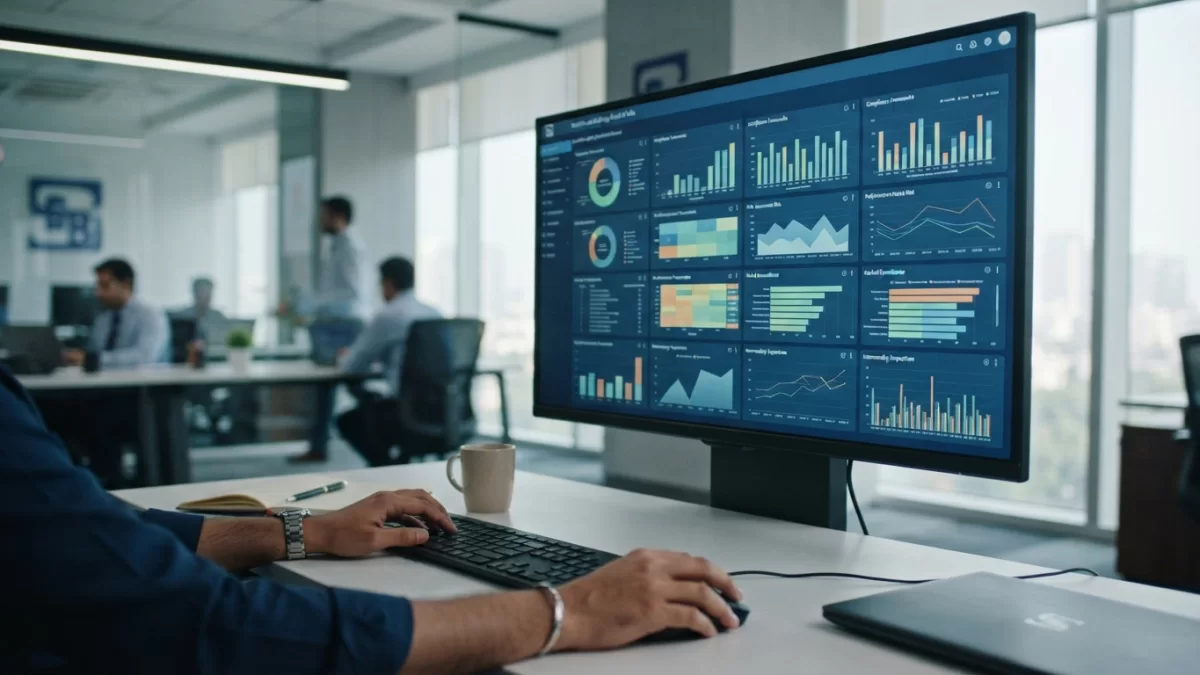
New Inspection Framework for Market Intermediaries
The Securities and Exchange Board of India has rolled out a revamped approach for inspecting market intermediaries, taking effect from the 2026-27 financial year. Formulated after extensive consultations with Market Infrastructure Institutions and supervisory bodies, the updated oversight mechanism introduces joint inspections conducted collectively by stock exchanges and depositories.
Under this system, the regulator aims to reduce frequent physical and administrative interventions while strengthening systemic oversight. The strategy incorporates dynamic risk parameters to identify and shortlist entities requiring review, ultimately intending to improve the ease of doing business for compliant market participants.
Reduction in Routine Visits and Focus on High-Risk Entities
To cut down on redundant procedures, routine annual comprehensive reviews for compliant entities, particularly qualified stock brokers, are being discontinued. Instead, the total volume of direct inspections by the regulatory body for the 2026-27 financial year has been scaled down to roughly one-third of the total conducted in the preceding year.
However, heightened scrutiny remains in place for entities flagged by specific criteria:
- Firms that repeatedly appear across shortlisting parameters over time.
- Participants carrying elevated risk scores.
- Entities that trigger multiple alerts processed by stock exchanges.
Quarterly Shortlisting and Joint Departmental Reviews
The regulatory authority has shifted toward a quarterly shortlisting cycle. This process places greater emphasis on exchange-generated alerts, public complaints, and social media mentions to assign heavier weightage to recent potential infractions. Furthermore, entities holding multiple intermediary registrations will undergo coordinated reviews by different internal departments simultaneously to minimize repetitive visits throughout the annual cycle.
Additional evaluations will rely on market intelligence and inputs from regional and local offices. These targeted reviews will cover critical operational themes such as technical glitches, cyber security incidents, and the activities of authorised persons associated with stock brokers.
Primary source: This independent news summary is based on official information from Securities and Exchange Board of India. Read the original document for complete details.